














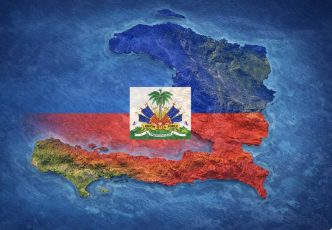
Haití no nació en la pobreza ni en el olvido. Nació en la abundancia, en la tragedia y en la grandeza moral.
Mucho antes de que su nombre fuera asociado con la adversidad, este territorio —entonces llamado Saint-Domingue— fue la colonia más rica del mundo. Sus tierras fértiles, bañadas por el sol del Caribe, producían el azúcar que endulzaba Europa y el café que animaba sus salones ilustrados.
Las fuentes de esa riqueza fueron claras y bien documentadas. El azúcar fue el gran pilar económico: ingenios altamente tecnificados para su tiempo producían cerca del 40 % del azúcar consumido en Europa. El café alcanzó una importancia extraordinaria; hacia finales del siglo XVIII, Saint-Domingue era el principal productor mundial, responsable de más del 60 % del café europeo. A estos productos se sumaban el algodón, el índigo, el cacao y el
tabaco, todos muy demandados en los mercados atlánticos.
Puertos como Cap-Français se convirtieron en centros comerciales vibrantes desde donde fluían mercancías, capitales y créditos.
Pero esta prosperidad tuvo un costo humano devastador. Más de medio millón de africanos esclavizados sostenían la economía colonial bajo condiciones inhumanas. La colonia más rica del mundo era también uno de los escenarios crueles creados por el ser humano. Esta contradicción hizo inevitable la ruptura.
En 1791 comenzó la Revolución Haitiana. No fue solo una rebelión, sino un acto fundacional de la dignidad humana.
En 1804 nació Haití, la primera república negra del mundo y el primer país libre de América Latina y el Caribe.
Su triunfo estremeció al orden colonial y por ello fue castigado con aislamiento y represalias económicas.
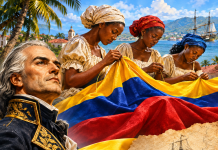
Aun así, Haití decidió compartir su libertad. Cuando Simón Bolívar llegó exiliado en 1815, encontró en Haití refugio, recursos y visión continental. El presidente Alexandre Pétion le brindó armas, barcos y apoyo político, con una sola condición: que la esclavitud fuera abolida en los territorios liberados. Desde Haití se organizó la Expedición de Los Cayos en 1816, decisiva para la independencia venezolana.
Bolívar reconoció siempre esa ayuda y cumplió su promesa aboliendo la esclavitud. Para historiadores como Paul Verna, Haití fue más que un aliado: fue una escuela política y un faro moral del proyecto emancipador latinoamericano.
El precio de esa grandeza fue alto. En 1825, Francia impuso a Haití una deuda por la pérdida de las antiguas fuentes de riqueza colonial. Durante más de un siglo, la nación pagó con su futuro el atrevimiento de haber sido libre.
Recordar a Haití es un acto de justicia histórica. Fue la colonia más rica del mundo, la primera república libre de América Latina y un pilar silencioso de la independencia venezolana. Haití creyó que la libertad no se guarda: se comparte.
Haiti: Wealth, Revolution, and Shared Freedom
Haiti was not born in poverty or oblivion. It was born in abundance, tragedy, and moral greatness.
Long before its name became associated with adversity, this territory—then known as Saint-Domingue— was the richest colony in the world. Its fertile lands, bathed in Caribbean sun, produced the sugar that sweetened Europe and the coffee that filled its enlightened salons.
The sources of that wealth were clear and well documented. Sugar was the main economic pillar: plantations and mills, highly advanced for their time, produced nearly 40% of the sugar consumed in Europe. Coffee reached extraordinary importance; by the late eighteenth century, Saint-Domingue was the world’s leading producer, supplying more than 60% of Europe’s coffee. These were complemented by cotton, indigo, cocoa, and tobacco, all highly valued in Atlantic markets. Ports such as Cap-Français became vibrant commercial
centers through which goods, capital, and credit flowed.
Yet this prosperity carried a devastating human cost. More than half a million enslaved Africans sustained the colonial economy under inhumane conditions. The richest colony in the world was also one of the cruelest systems created by humankind. This contradiction made rupture inevitable.
In 1791, Haiti ignited a flame that could not be extinguished. The Haitian Revolution was not merely a revolt, but a founding act of human dignity. In 1804, Haiti emerged as the first Black republic in the world and the first free nation in Latin America and the Caribbean. Its victory shook the colonial order and was punished with isolation and economic retaliation.
Even so, Haiti chose to share its freedom. When Simón Bolívar arrived in exile in 1815, he found in Haiti not only refuge, but resources and a continental vision. President Alexandre Pétion provided arms, ships, and political support, asking only one condition: that slavery be abolished in the liberated territories.
From Haitian soil, the Expedition of Los Cayos was organized in 1816, a decisive step toward Venezuelan independence.
Bolívar never forgot this support and honored his promise by proclaiming the abolition of slavery. For historians such as Paul Verna, Haiti was more than an ally—it was a political school and a moral beacon of the Latin American emancipation project.
The price of such greatness was severe. In 1825, France imposed on Haiti a crushing indemnity for the loss of colonial plantations and enslaved labor. For more than a century, the nation paid with its future for the audacity of having been free.
To remember Haiti is an act of historical justice. It was the richest colony in the world, the first free republic of Latin America, and a silent pillar of Venezuelan independence. Haiti believed that freedom, like dignity, is not meant to be kept—it is meant to be shared.