
















Article and photo courtesy of: Lilian Brooks
lillian.brooks@learningdisabilities.info
www.learningdisabilities.info
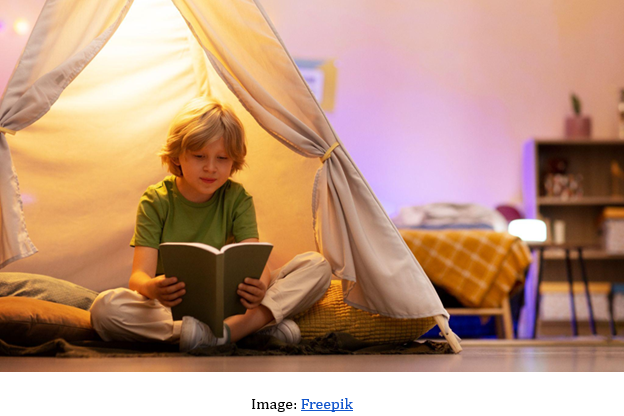
Link to original photo at Freepik
Parents play a powerful role in shaping how children experience learning long before grades or test scores enter the picture. Curiosity is the engine that drives exploration, persistence, and confidence, yet it can quietly fade when kids feel rushed, judged, or overly directed. Supporting natural curiosity doesn’t require advanced teaching skills; it calls for attention, trust, and a willingness to grow alongside your child. When curiosity is protected, children are far more likely to become self-motivated and deeply engaged learners.
Key Ideas
- Curiosity thrives when children feel safe asking questions without fear of being wrong.
- Motivation grows when kids have ownership over what and how they learn.
- Everyday moments are powerful opportunities for discovery.
- Parents influence learning most through modeling, not managing.
Letting Curiosity Lead the Way
Children are born investigators. They poke, ask, dismantle, rebuild, and imagine. Problems arise when learning becomes something done to them instead of with them. By following a child’s questions rather than redirecting them too quickly, parents send a clear signal: your interests matter. Over time, this message builds internal motivation, because learning feels personal instead of imposed.
Turning Everyday Moments Into Learning Opportunities
You don’t need special materials or planned lessons to support learning. A walk around the block can turn into a science discussion, a grocery trip into a math exercise, and cooking dinner into an experiment. The key is pausing long enough to invite conversation. When parents slow down and wonder aloud, children learn that curiosity is a habit, not an assignment.
Creativity as a Gateway to Engagement
Artistic exploration is a powerful way for children to process ideas and emotions. Digital tools can expand this experience when used thoughtfully, giving kids new ways to experiment without fear of mistakes. Platforms like an AI painting generator can help children turn stories, moods, or concepts into visual form, making abstract ideas feel tangible. By describing what they imagine and seeing it come to life, kids practice translating thoughts into expression. These tools can emulate familiar styles like watercolor or oil painting while letting children adjust color, texture, and lighting as they go.
Practical Ways to Support Self-Driven Learning
The following practices can help parents create an environment where curiosity naturally turns into motivation:
- Ask open-ended questions instead of giving quick answers.
- Offer choices whenever possible to give children a sense of control.
- Praise effort and exploration rather than outcomes.
- Allow boredom to exist so imagination has room to grow.
- Share your own interests and learning challenges honestly.
When Parents Become Learners Again
Children pay close attention to how adults approach growth. When parents pursue learning themselves, it normalizes effort and persistence. Many parents find that returning to school through flexible online programs makes it possible to balance work, home responsibilities, and education at the same time. When you explore this, choosing a school with strong academic and emotional support can make the journey sustainable, especially when challenges arise. Planning ahead, leaning on university resources, and communicating with employers all reduce stress and increase follow-through.
Keeping Motivation Growing
These steps connect daily parenting choices with long-term learning confidence.
- Create routines that include unstructured time for exploration.
- Make space for mistakes without immediate correction.
- Reflect together on what was interesting, not just what was finished.
- Encourage children to set small, personal goals.
- Revisit interests over time instead of rushing to the next activity.
What Encourages Engagement Over Time
Different parental approaches shape how children relate to learning.
| Parenting Approach | Likely Effect on Learning |
| Constant correction | Fear of making mistakes |
| Open-ended guidance | Confidence and persistence |
| Outcome-focused praise | Short-term motivation |
| Process-focused support | Long-term curiosity |
Common Questions From Parents Ready to Take Action
Parents often want clarity before changing how they support learning at home.
How do I encourage curiosity without losing structure?
Structure and curiosity can coexist when routines are flexible rather than rigid. Clear expectations provide safety, while choice within those boundaries keeps motivation alive. Children thrive when they know what must be done and have freedom in how they approach it.
What if my child doesn’t seem curious about school topics?
Disinterest often signals a lack of connection, not ability. Look for related interests outside of school and help bridge them back to academic subjects. This approach shows children that learning is interconnected, not confined to classrooms.
How much should I step in when my child struggles?
Resist the urge to fix problems immediately. Sitting with frustration and offering encouragement helps children build resilience. Stepping in too quickly can unintentionally teach dependence instead of confidence.
Can too many activities reduce motivation?
Yes, overscheduling can crowd out intrinsic interest. Children need downtime to process experiences and notice what genuinely excites them. Fewer activities done with intention often lead to deeper engagement.
How do I know if I’m supporting or pushing too hard?
Pay attention to emotional cues. Curiosity usually comes with energy and questions, while pressure shows up as avoidance or anxiety. Adjusting expectations early prevents burnout later.
Conclusion
Supporting curiosity is less about doing more and more about doing differently. When parents slow down, listen, and model learning themselves, children internalize a love of discovery that lasts. Small shifts in daily interactions can transform how kids see challenges and opportunities. Over time, curiosity becomes not just a trait, but a trusted guide for lifelong learning.